Why professional photography matters for a hotel
When someone chooses a hotel online, the experience begins long before check-in. Photographs are often the first visual contact with the property, and within a few seconds they have to communicate what kind of experience the guest can expect.
When someone chooses a hotel online, the experience begins long before check-in.
Before stepping into the lobby, seeing the room or trying the breakfast, the potential guest meets the property through its photographs.
The images on the hotel's website, on Google, on social media and on booking portals like Booking.com are often the first visual contact with the property. Within a few seconds they have to communicate something a simple description can hardly convey: what kind of experience the guest can expect.
A room can be elegant, a terrace can have a spectacular view and a spa can be designed with great attention to detail. But if these elements are not photographed correctly, part of the hotel's value risks never reaching the potential customer.
This is where hotel photography comes in.
Photographs are part of the experience the hotel sells
A hotel does not simply sell a room.
It sells a feeling, an atmosphere and an experience.
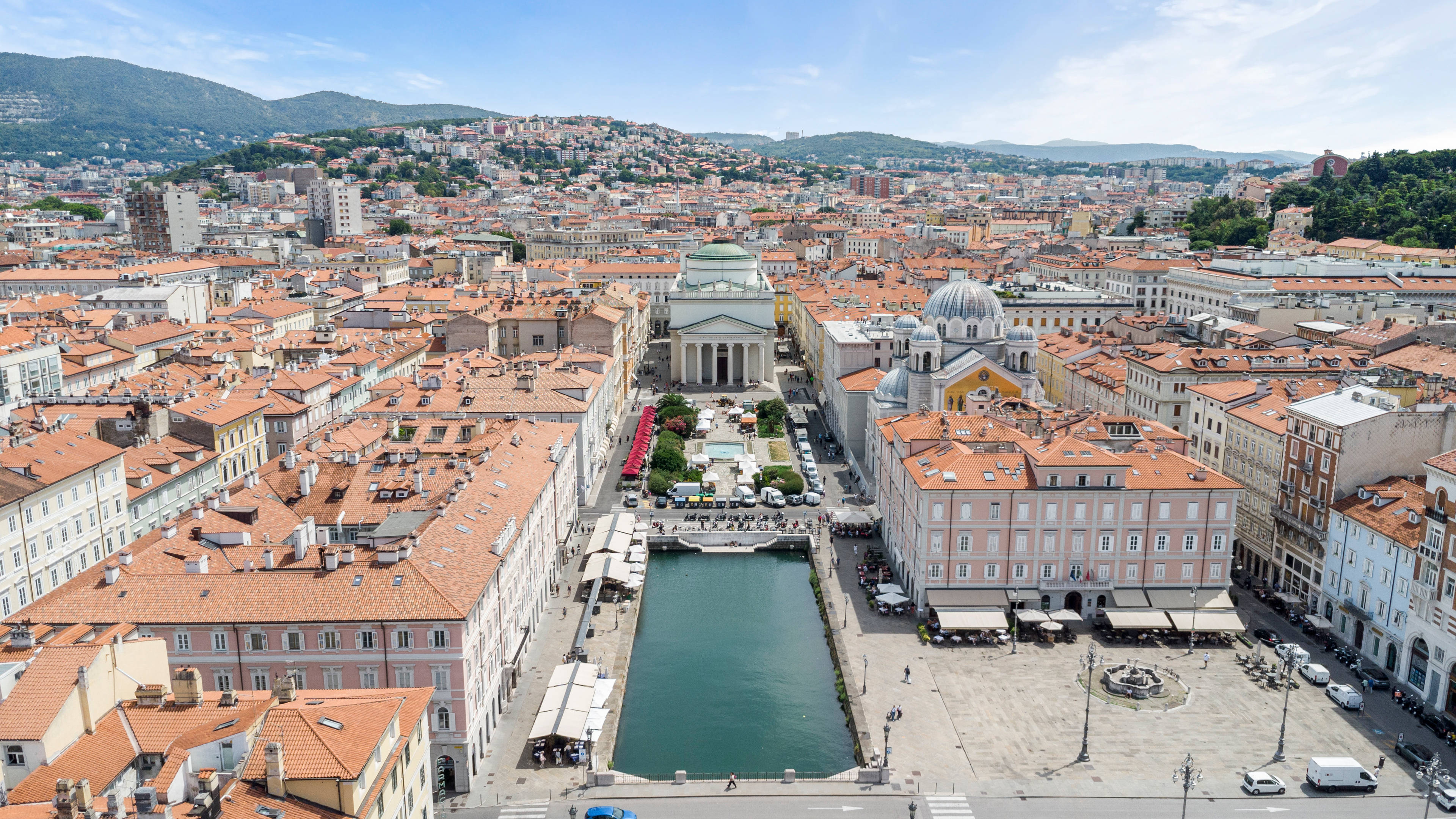
Someone looking for a hotel for a weekend in Trieste might be interested in the sea view, the atmosphere of the room, the breakfast, the location or the common areas. Someone travelling for work might pay more attention to the desk, the brightness of the room, the workspaces and the overall quality of the property.
This is why a good hotel photo shoot should not be limited to photographing every room.
It should tell the story of the property as a whole.
Rooms, suites, reception, restaurant, breakfast, spa, pool, terraces, gardens, architectural details and common areas should all contribute to building a coherent representation of the hotel.
Photographs thus become part of the brand's communication.
Why professional photography makes the difference
Photographing a hospitality property does not simply mean walking into a room and taking a picture.
Hotel environments often present photographically complex situations: very bright windows, dimly lit rooms, reflective surfaces, tight spaces, multiple light sources and spaces that must be represented while keeping realistic proportions.
Interior photography therefore requires attention to light, perspective, composition and post-production.
A professional photograph should be able to show the space realistically, while maintaining an aesthetic coherent with the hotel's positioning.
The goal is not to make a room artificially larger or to alter what the guest will actually find.
It is to show, in the best possible way, what the hotel has to offer.
Room photographs have to tell more than square metres
The room is probably one of the most important elements to show when producing photography for a hotel.
But a good photograph should not be limited to documenting the bed and the furniture.
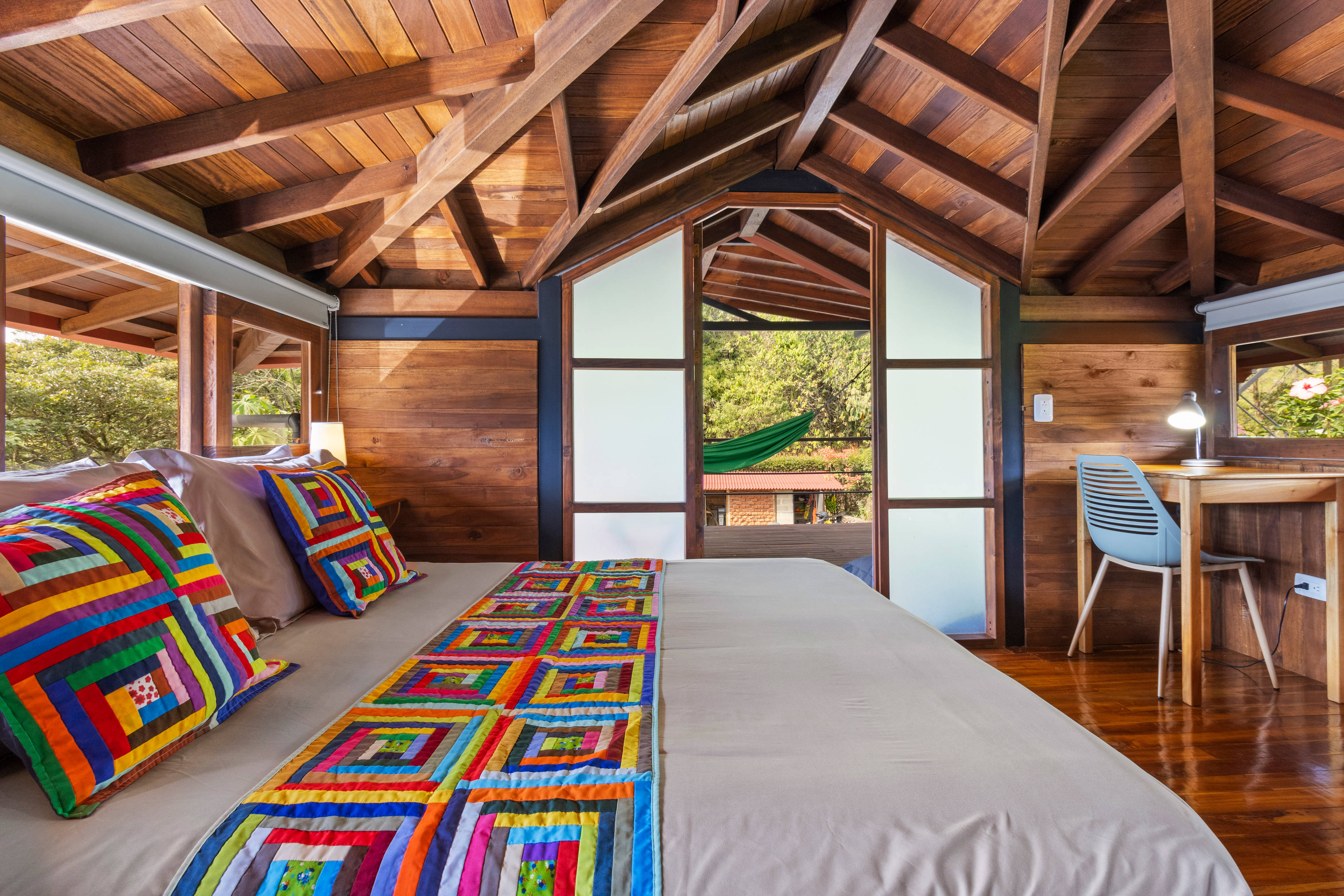
The composition can communicate the atmosphere of the room, the quality of the finishes, the relationship with the windows, the view, the presence of a balcony or of a particular feature.
Even small details can play an important role.
A distinctive headboard, a designer lamp, a bathtub, a coffee machine, a view from the window or a terrace can all help set one room apart from the others.
This is why, during a hotel photo shoot, it is important to think of the property as a whole and not as a simple series of rooms to photograph.
Photographing the common areas: telling what happens outside the room
The guest's experience does not end when they leave their room.
The lobby, the reception, the restaurant, the bar, the breakfast room, the spa, the pool and the outdoor spaces all contribute to the perception of the hotel.
These environments therefore deserve the same attention dedicated to the rooms.
A photograph of the breakfast room can communicate much more than a simple image of the furniture: it can suggest the kind of atmosphere the guest will find in the morning.
A photograph of the spa can convey tranquillity and relaxation.
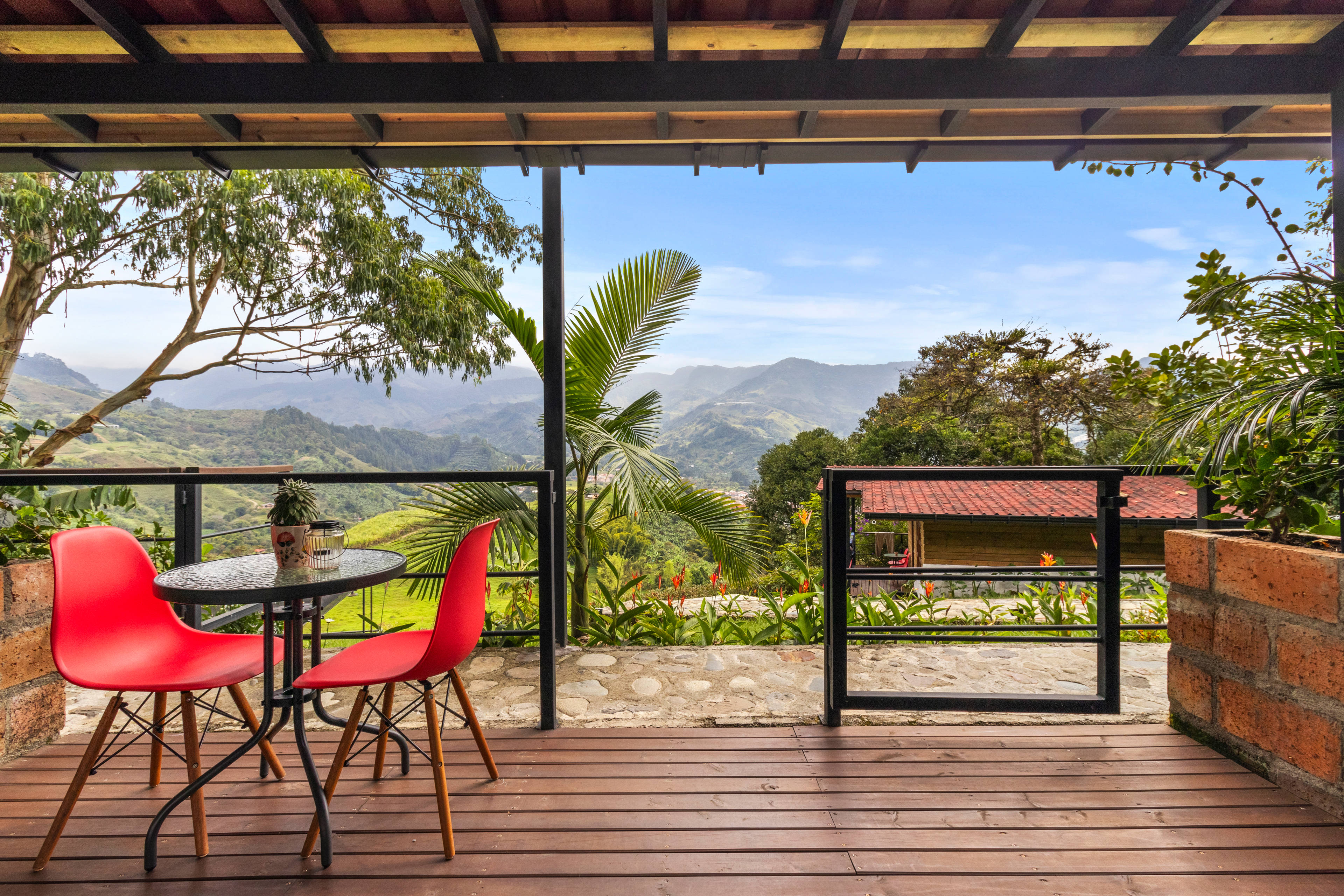
A terrace can tell the story of a view that is one of the reasons to choose that particular property.
Photography for hospitality properties should therefore show not only what exists, but also what makes it interesting to experience.
Photographs have to work on booking portals too
Today a hotel's images do not live in just one place.
The same photographic material can be used on the official website, on social media, on booking portals and in the property's promotional materials.
This makes it even more important to have a professional, coherent and sufficiently broad photographic archive.
The images have to work in different contexts without losing their quality or their meaning.
A photograph conceived for the website can also be used in a social campaign. An image of the outdoor spaces can become part of the seasonal communication. A photograph of the suite can be used to present a particular room category.
A good hotel photo shoot should therefore also be planned with the future uses of the images in mind.
Photographing well is not enough: you have to understand what to photograph
This is one of the most important lessons I have learned working in this field.
The technical side of photography is fundamental, but it is not sufficient.
Before shooting, you have to understand the property.
What is its strength?
Is it the design?
The location?
The view?
The architecture?
The atmosphere?
The level of service?
The spa?
The restaurant?
The history of the building?
Two hotels can have rooms of the same size and technically flawless photographs, yet require completely different approaches.
One might have a minimalist, contemporary identity. The other might focus on historic elegance and architectural details.
The photography should reflect this difference.
My experience in hotel photography
Hotel photography is a field I have come to know through very different experiences.
Over the course of my work I have had the opportunity to photograph prestigious hotels on three different continents, working in contexts, environments and properties with very different identities.
This experience has taught me one thing above all: there is no single formula that works for every hotel.
Every property has its own personality.
In some cases the strength is the architecture. In others it is the interiors, the view, the design, the surrounding nature or the atmosphere you breathe in the spaces.
Photographing hotels in international contexts has allowed me to develop an approach that goes beyond simple interior photography: observing the property as a whole and understanding which elements can truly communicate its identity.
This is the approach I bring to my hotel photo shoots in Trieste as well.
Hotel photography in Trieste: enhancing the property and the territory
Trieste has a particular characteristic: it offers a combination of architecture, sea and culture that can become an integral part of the stay experience.
A hotel in the city is not necessarily chosen for its room alone.
The location, the view, the proximity to the sea, the architecture of the building and the relationship with the city can all be important elements in the guest's decision.
This is why effective hotel photography in Trieste should, when appropriate, also tell the story of the relationship between the property and its territory.
A terrace overlooking the sea.
A window that frames the city.
A historic building in the centre.
An interior that recalls the history and identity of Trieste.
These elements can help distinguish a property and give it a recognisable visual personality.
Interior photography and atmosphere: finding the right balance
One of the most interesting challenges in hotel photography is finding a balance between precision and atmosphere.
Photographs have to be informative: the guest must be able to understand what the spaces really look like.
But they also have to be emotional: the image should make you want to live in them.
To reach this balance you have to work on light, composition and the moment of the shot.
A photograph of a room can clearly show the layout of the furniture and, at the same time, communicate the feeling of comfort the property wants to convey.
This is one of the aspects that makes interior photography in Trieste particularly interesting: the spaces have to be represented accurately, but also coherently with the identity of the property.
Details tell the story of the hotel too
When thinking about hotel photography, it is easy to focus exclusively on photographs of the main spaces.
But often it is the details that give personality to the property.
A detail of the furnishings.
The breakfast being prepared.
A texture.
An architectural element.
A local product.
The restaurant's table setting.
A detail of the spa.
These images can be particularly useful for social media and for building a richer communication around the hotel.
A gallery made up exclusively of wide shots of the rooms can show the property.
A combination of spaces, details and emotional images can tell its story instead.
Professional photography also means consistency
Individually excellent images can still produce a weak result if they are not consistent with one another.
When a potential guest opens a hotel's website, they should perceive a continuity between the photograph of the room, the one of the reception, the one of the restaurant and the ones of the outdoor spaces.
Light, colours, perspectives and image style should create a uniform visual narrative.
This consistency is particularly important for properties that want to build a premium image.
A hotel can have excellent design and outstanding service, but if the visual communication looks improvised, part of that quality can be lost.
Photographs must not promise something the hotel does not offer
As attractive as a photograph should be, it also has to be credible.
Excessive use of a wide-angle lens can alter the perception of dimensions. Overly aggressive post-production can change the colours or the atmosphere of a space.
The result can be an apparently spectacular photograph that is less useful for the potential guest.
For me, professional photography should follow a simple principle:
Enhance reality, do not replace it.
The goal is to allow the future guest to see the hotel in its best light, while keeping a faithful representation of the experience they will find once they arrive.
When is it time to update your hotel's photographs?
Even a hotel that already has professional photographs should periodically review its archive.
Spaces change.
Rooms can be renovated, furnishings replaced, the restaurant can change style, a new spa can open or a terrace can be transformed.
The visual identity of the property can evolve too.
If the photographs no longer represent what the guest will actually find, it is probably time to plan a new hotel photo shoot.
An update can also be useful when the existing images are technically dated, inconsistent or no longer able to represent the property's current positioning.
A hotel should not be photographed like a simple property
This is precisely the fundamental difference between real estate photography and hospitality photography.
When we photograph a property for sale, the main goal is to help someone evaluate a property.
When we photograph a hotel, we have to tell the story of an experience.
It is not enough to show where the guest will sleep.
We have to show why they might want to sleep exactly there.
This requires a combination of interior photography, architecture photography, lifestyle and attention to the property's brand.
And it is exactly this combination that makes hotel photography such an interesting job.
Photography is the first step of the experience
A guest should start imagining their stay even before booking.
They should be able to see the room, feel the atmosphere, imagine the breakfast, recognise the location and understand what makes that property different from the others.
Photographs cannot replace the real experience.
But they can be the reason someone decides to discover it.
After photographing prestigious hotels on three different continents, this is one of the things I consider most important in my work: not limiting myself to photographing spaces, but trying to understand what makes each property special and turning that characteristic into a coherent visual narrative.
Because a good hotel photographer should not simply show a room.
They should make the guest imagine being already there.
If you are looking for a hotel photographer in Trieste to update your property's images, build a new photographic archive or enhance rooms, common areas, restaurant, spa and exteriors, contact me to discuss the project.